
Build Your Own Back Door
When you don't have the platform to go through the front

I have seen, with my own two eyes, a preview of my first freelance piece staged on a magazine’s website for publication in a few weeks! 🎉
I don’t have an exact date, but I’ll share a link on Instagram as soon as the piece goes live. I’m hoping it won’t be behind a paywall, but… maybe! It may depend on whether you’ve already used up your monthly allotment of free articles from this magazine.
I feel like I’ve hyped up this piece so much that when you read it, you’ll be underwhelmed and wonder why I made such a big deal about it. (My insecurity has entered the chat.) It’s not so much that it’s a huge, groundbreaking piece, but that it’s the first “yes” I’ve gotten, and the first successful step along the path to my ultimate goal of publishing a book.
I have friends who are full-time freelance writers, and something like this is certainly no big deal to them. But the point of this newsletter is to share my wins and losses, bare my true feelings, and show the work that most people don’t realize happens behind the scenes. It’s easy to see a writer share a published piece and not think about how many failed pitches they sent to get one approved. Maybe someday this will be no big deal to me, too. But today: kind of a big deal!
Hot tips from women who made it happen
I wrote a full recap of my friend Ali’s fortieth birthday weekend on my (often dormant) running blog since she was one of my first running blogger friends and it was a super fun time!
At the party, I was thrilled to chat with two of Ali’s friends who’ve gotten book deals, and they shared some interesting insights with me.
First, I talked with Keira D’Amato, who’s a professional runner for Nike and the American women’s record holder in the half marathon. She shared that some literary agents didn’t think her platform was big enough—or at least big enough outside of the running world—to capture interest from publishers. It was only when she talked to an agent who understood her vision and helped expand her idea to speak to a wider audience that she was able to move forward.
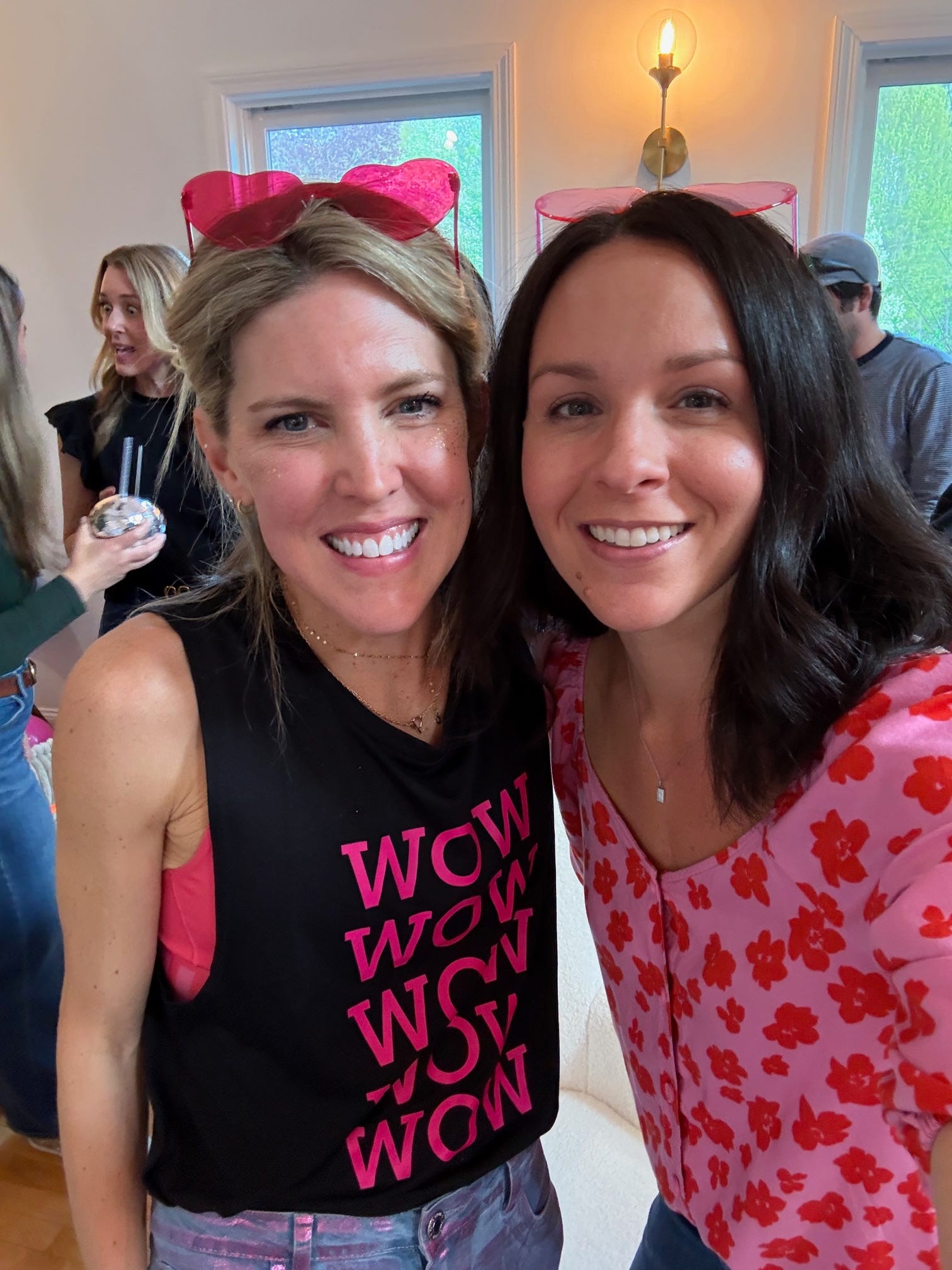
Keira has more than 84,000 followers on Instagram (though she probably had less when she was looking for an agent), so it was disheartening to hear that even she had a platform problem. Still, with the right pitch, she overcame it.
Don’t Call It a Comeback shares the story of Keira’s unconventional running career—she went from being an All-American college runner to a non-running Realtor to a record-breaking pro in her mid-thirties—along with tips to help readers chase their own happiness and find their way back to themselves. Pre-order it now ahead of its September 9, 2025, release!
Keira asked about my book idea, and I wish I had a recording of how I explained it to her because she showed me the goosebumps on her arms—twice. “You need to write this book,” she said. Maybe she was just being polite and humoring me, but it was really encouraging.
The other writer I talked with will remain anonymous, since her book deal hasn’t been announced yet. She shared that she’s done a lot of writing about her topic of expertise, but doesn’t have a big name or a ton of followers. She was told she’d need a minimum of a million followers (!!!) for the type of book she wanted to write—unless she could deliver on a specific topic publishers really wanted to cover. She was contacted by a literary agent who was familiar with her writing to potentially ghostwrite a project, and through working with that agent, she came up with a great angle for her book that hits on a hot topic right now. Cue: book deal!
So sorry, so vague. I’ll give this writer a big shoutout and share her deal announcement once it’s made public!
When I told her about my book idea, she asked an interesting question: Would I consider writing a different book for my debut—like more of a dementia caregiving how-to/survival guide—and making the memoir my second book? Whoa. It seems incredibly ambitious to think about writing two books, but I totally see where she’s coming from. There’s probably more publisher demand for a how-to/survival guide than there is for a complete nobody’s memoir, especially if I write it from a perspective—like that of a millennial sandwich caregiver—that hasn’t been represented before. (But, of course, a book like that just came out.)
Ideally, the first book would be successful and set me up to write the book I really want to write. (But what if it isn’t/doesn’t?) And I feel unqualified to write a how-to book when I’m still just trying to figure out how to survive my mother’s dementia journey, and I’m not even her primary caregiver. But there is something to the idea. Maybe that book wouldn’t be only my personal guidance, but also wisdom and experiences crowdsourced from other Alzheimer’s daughters and sons. Hmm. Hmm. Hmmmmm. Lots to think about.
If you build it, they will come
In any case, a platform remains a huge missing piece of the puzzle for me. That means I’ll be focusing on sending more pitches, posting more on social media, getting my/my mother’s story out there, and finding the people who care about it.
I already had one Reel rack up a bunch views unexpectedly. It was a video of my family singing “Happy Birthday” to my mother on each of her birthdays over the past four years, and it showed the visual progression of her illness. I didn’t think it was particularly sad until people started commenting 😢 and then Aaron watched it and confirmed it’s very sad. I even wrote the caption from a positive, uplifting point of view! But I guess my barometer for sadness is way off after everything we’ve been through.
I just posted it for my mother’s birthday, not with the goal of getting lots of likes or follows, and of course that’s the one that resonated. The only thing I’ve learned about social media so far is that I still don’t know anything.
I also struggle with the idea of exploiting my mother’s illness for personal gain. On the one hand, I want to share our story and find the people who care about it. I want people who are going through the same thing to see their experience reflected in mine and know they’re not alone. On the other hand, I don’t want to feel icky about the reasons why I share certain things. I know my intentions are good—I’ve said time and again I don’t want to be an influencer or even make a lot of money off this book, although wouldn’t that be nice if someone valued my writing that much?—but it’s a fine line I’m still figuring out how to navigate.
The 100% surefire way to feel like I’m not exploiting my mother is to not share anything at all, but then I do nothing to reduce the stigma and secrecy of dementia. Then I fail to make meaning of this experience and turn it into something positive to contribute to the dementia community. I don’t want that, either.
I think if I continue to focus on sharing my experience with the best of intentions and with utmost respect for my mother, everything will be okay.
Write it,write it, write it, write it. A"how to", "at the center of the storm".Write whats in your head and heart. Your Mom would understand it all!
I don’t understand the need for so many followers for agents/publishers to take notice of a writer and give him/her a chance. If a person has so many followers already, what necessarily makes the story he/she wants to tell all that interesting or new? It feels like more of the everyday same to me.
I’d rather read excellent writing from an unknown writer and THEN begin to follow their work on other platforms or subsequent publications. I’m thinking of Chanel Miller as an example.